

The idea for this post, along with the three recipes to follow in the coming weeks, came from the many questions I received about how to prepare tofu during the recent Cancer Support Sonoma Day of Wellness.
In addition to enjoying the Mix & Match Salads I demonstrated for the group, many people tried — and found they enjoyed — a tofu dish from a local market. Now that they knew they liked it, they weren’t sure where to start with it in their own kitchens. This post is for them (and you).

What Is Tofu?
Tofu is a plant-based protein made from soybeans (think edamame) through a process that is similar to cheesemaking. In short, the protein extracted from soybeans is condensed into a “block” of tofu that you find in the grocery store, often in three different types based on consistency:
Silken: consistency of Greek yogurt
Firm: consistency of feta cheese
Extra Firm: consistency of cheddar cheese
The type of tofu you use depends on what you are making; more on that below.
Why Eat Tofu?
Tofu is high in nutrients and low in cost and environmental impact:
Nutrients:
A half-cup serving of firm tofu provides roughly 10 grams of complete protein, making it one of the few plant-based protein options to provide all essential amino acids.
As most tofu is made with calcium sulfate, it is a good source of calcium.
Regular consumption of whole soy foods1, including tofu, may reduce the risk of heart disease, certain cancers, and improve bone health.
Despite past concerns about soy phytoestrogens and breast cancer risk, we now know that regular soy consumption may reduce the risk of breast cancer diagnosis and recurrence.
Cost:
Tofu is one of the best protein values at the grocery store, regularly coming in at one-third the cost of beef and half the cost of chicken.
Sustainability:
Soybeans are one of the most sustainable proteins on the planet, since they require a fraction of the land, water, and emissions that animal proteins do.
Where to Start?
All too often, tofu is turned away before it’s been given a chance. It deserves a chance!
First, choose the right tofu consistency for the job:
Silken Tofu: Best for smoothies, soups, & desserts.
Firm: My personal favorite for stir-fries, curries, and salads.
Extra Firm: Holds up best for grilling, baking, and crumbling for a plant-based substitute for ground beef or turkey.
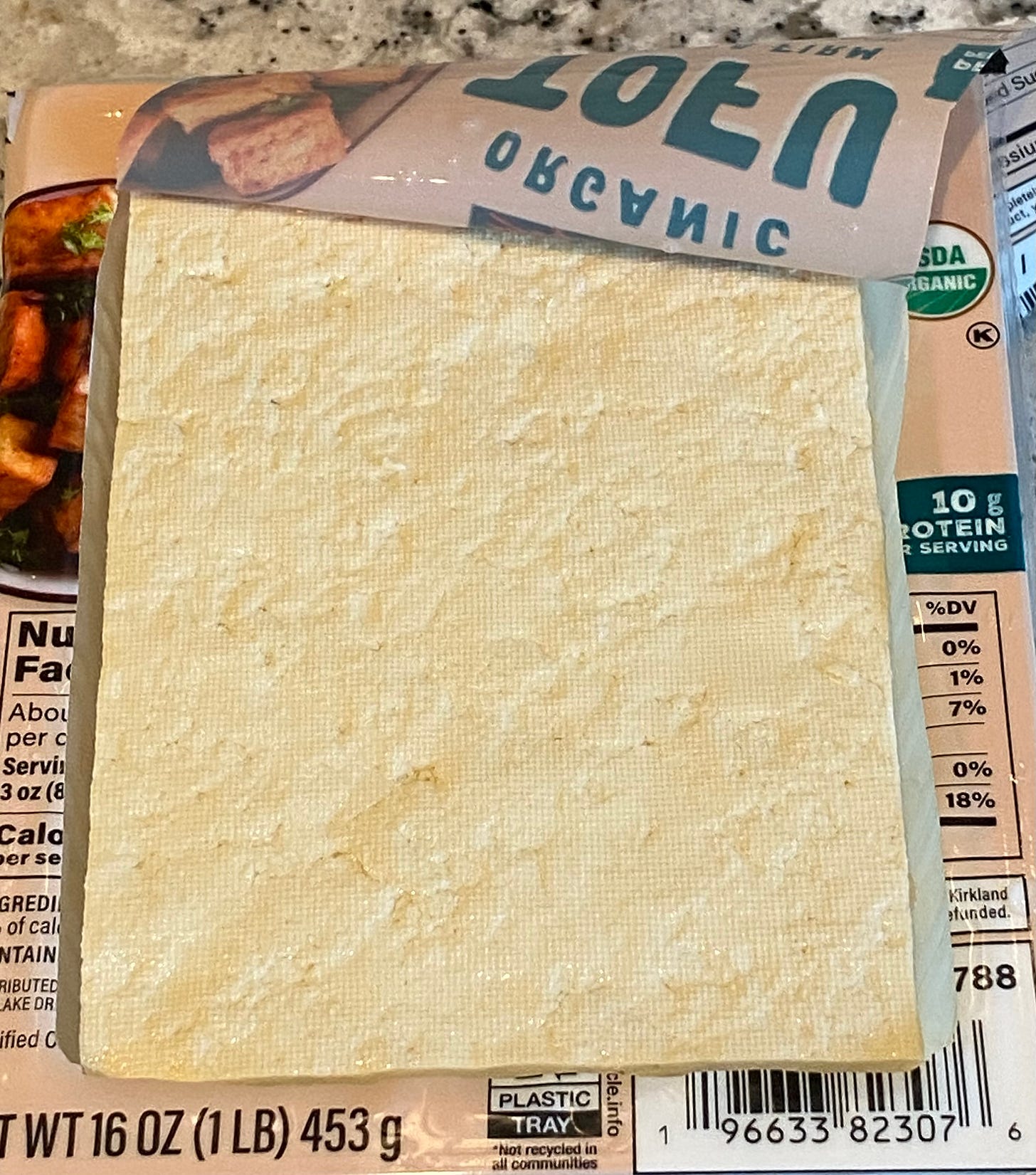
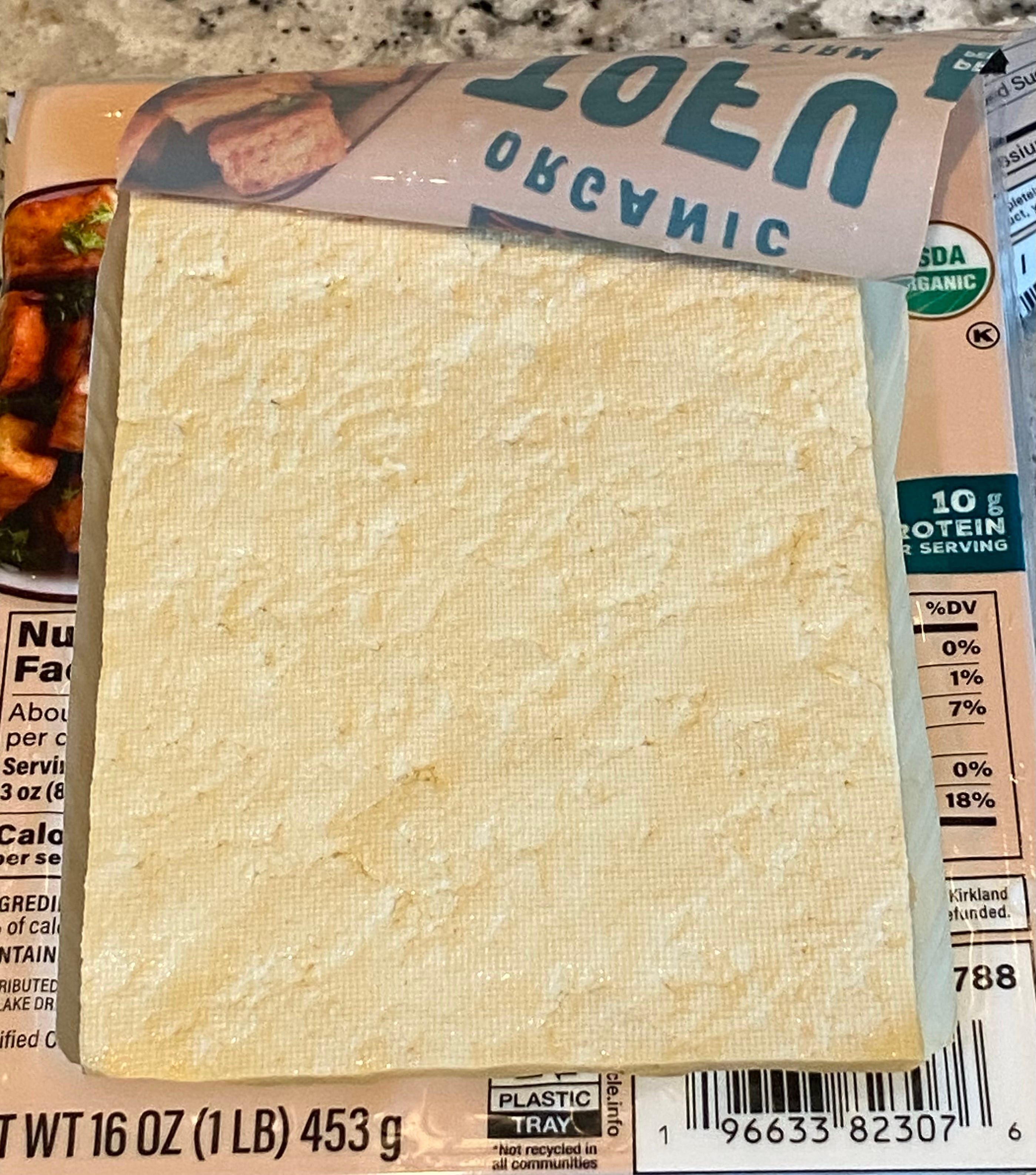
While silken tofu can be used as is, firm and extra-firm tofu are nearly flavorless right out of the package, despite the delicious-looking dish shown on the label.
Adding flavor starts with removing water. Tofu blocks come submerged in water in a firm plastic container covered with plastic. Remove the plastic by cutting through it with a knife on three sides and folding it back:
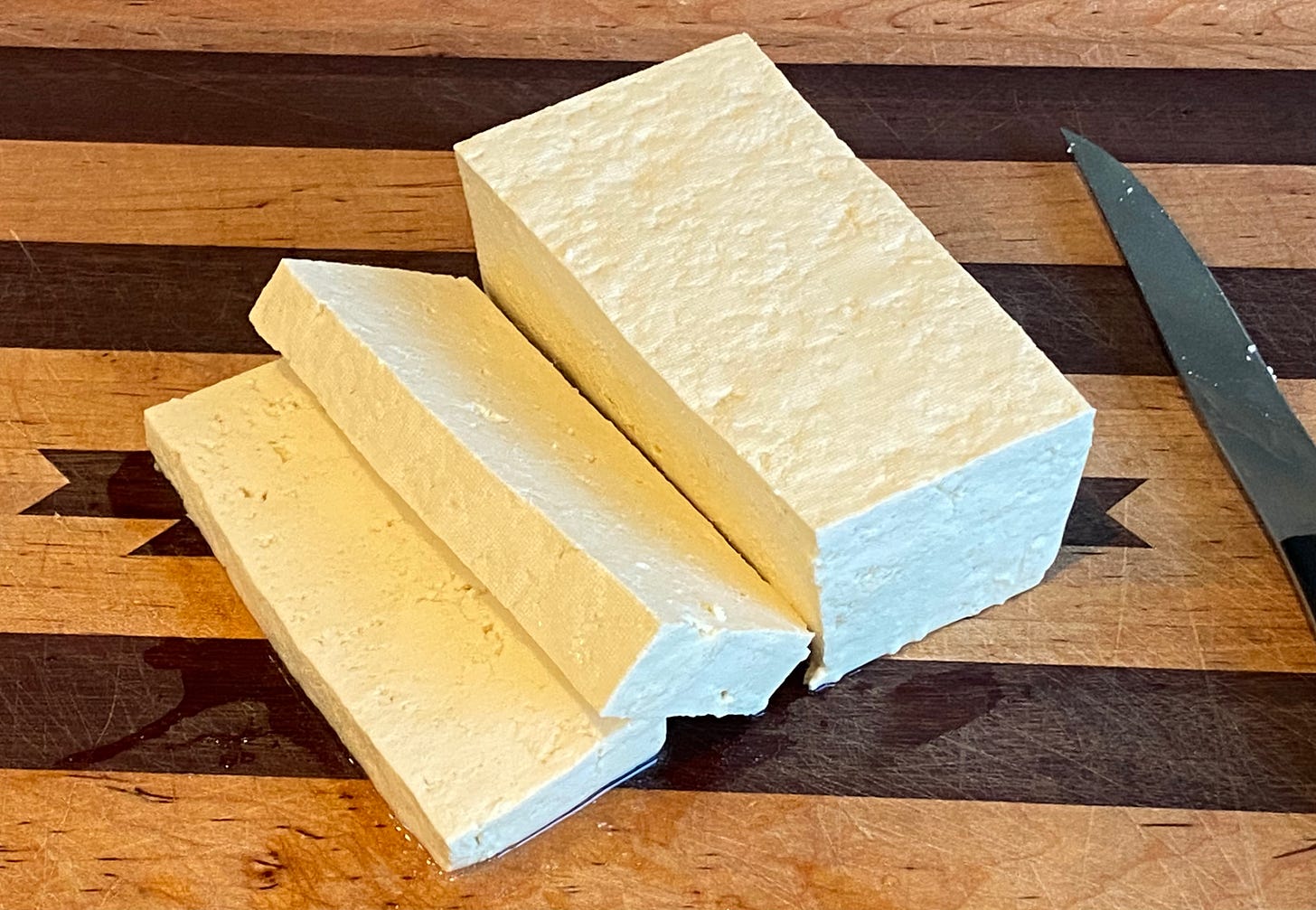
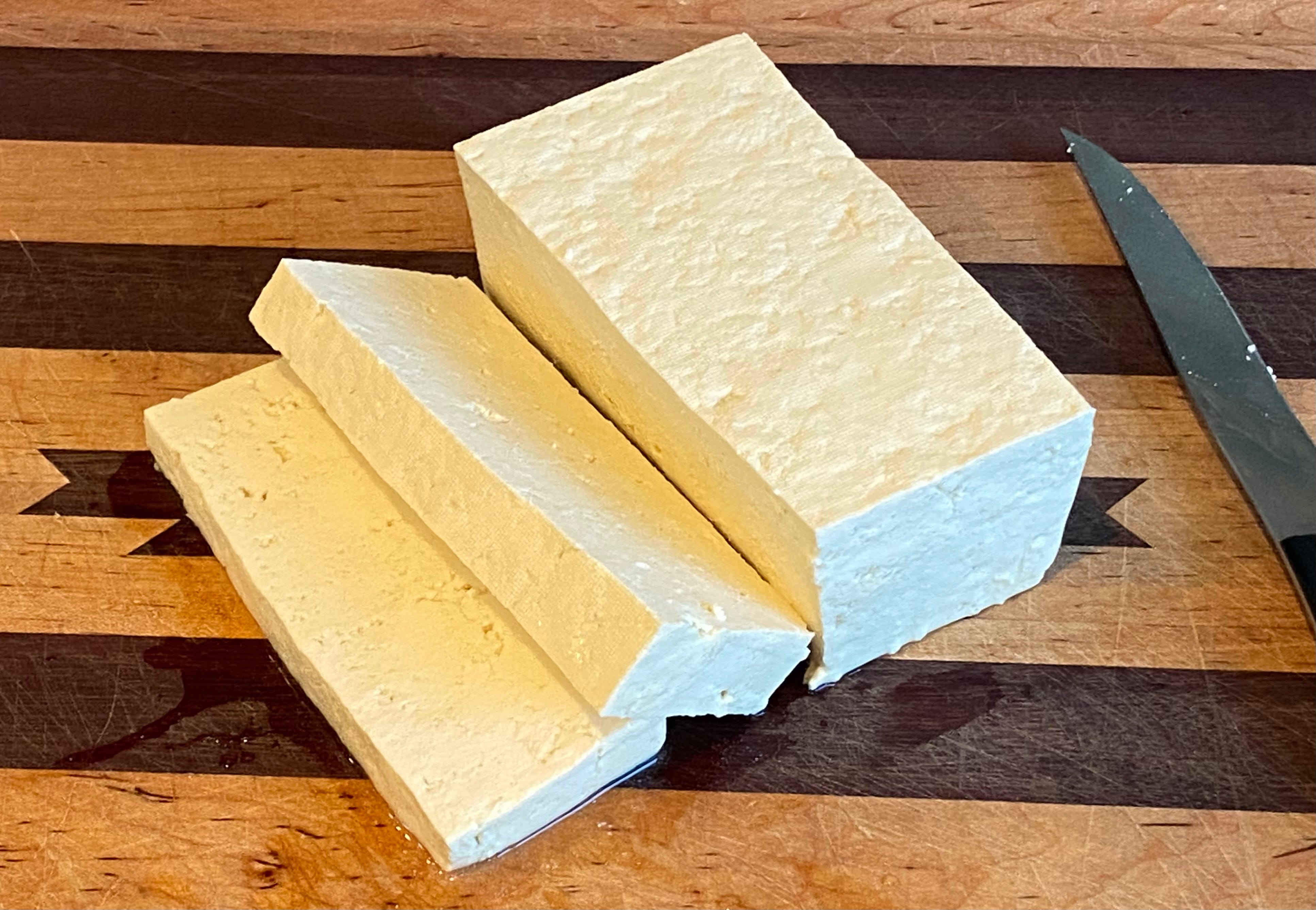
Remove the block of tofu from the water, and slice into 1/2” thick pieces:
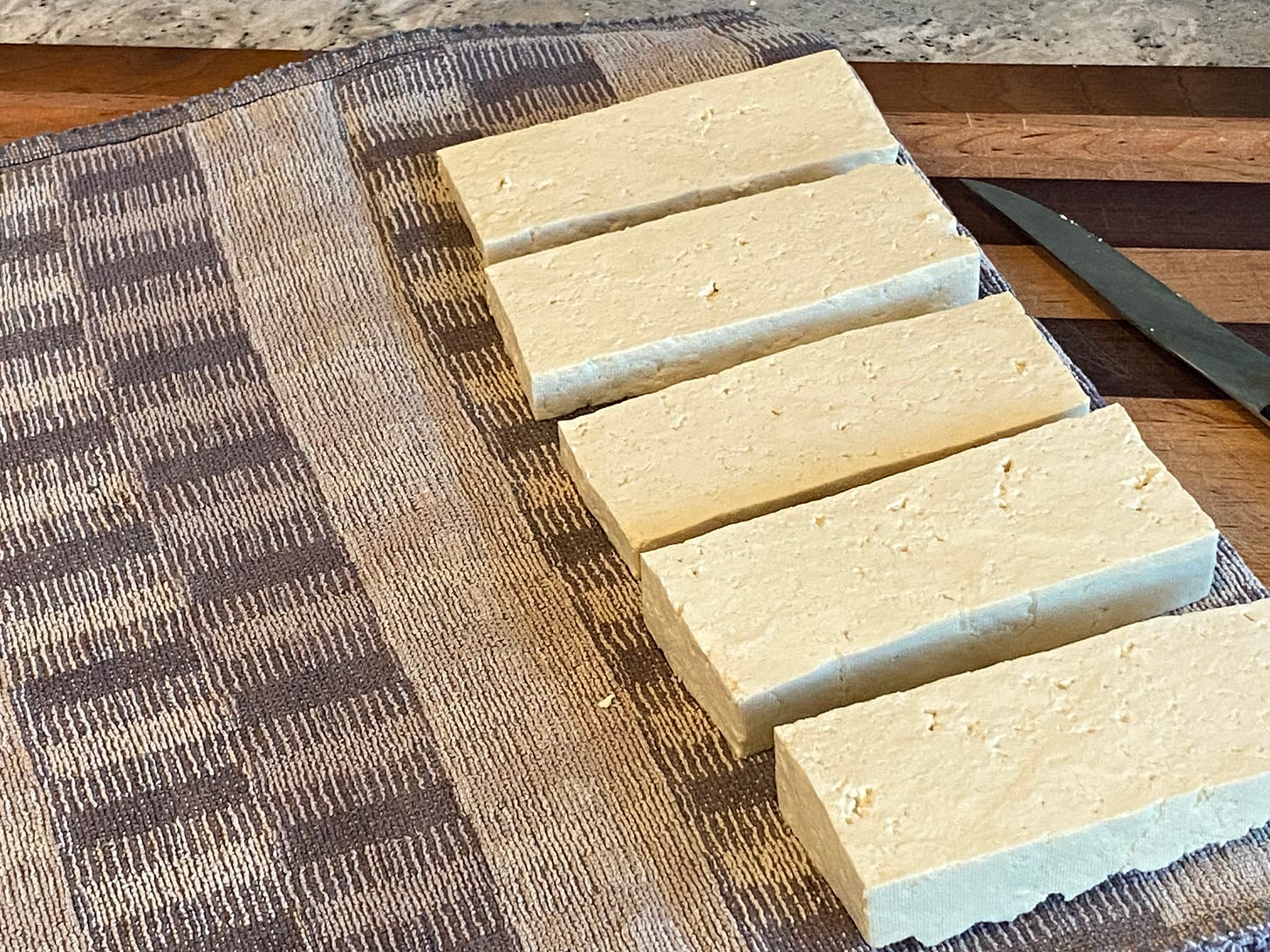
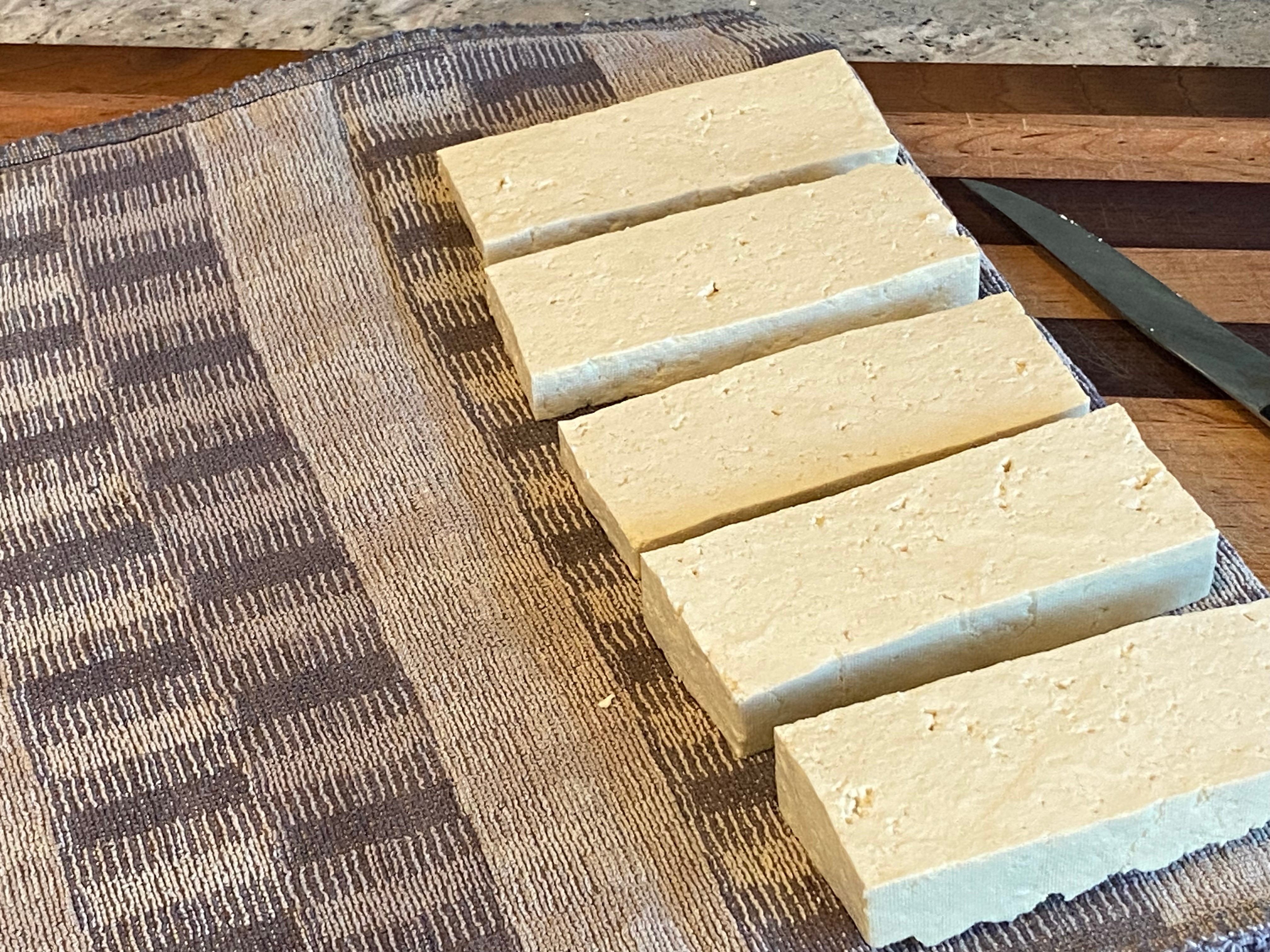
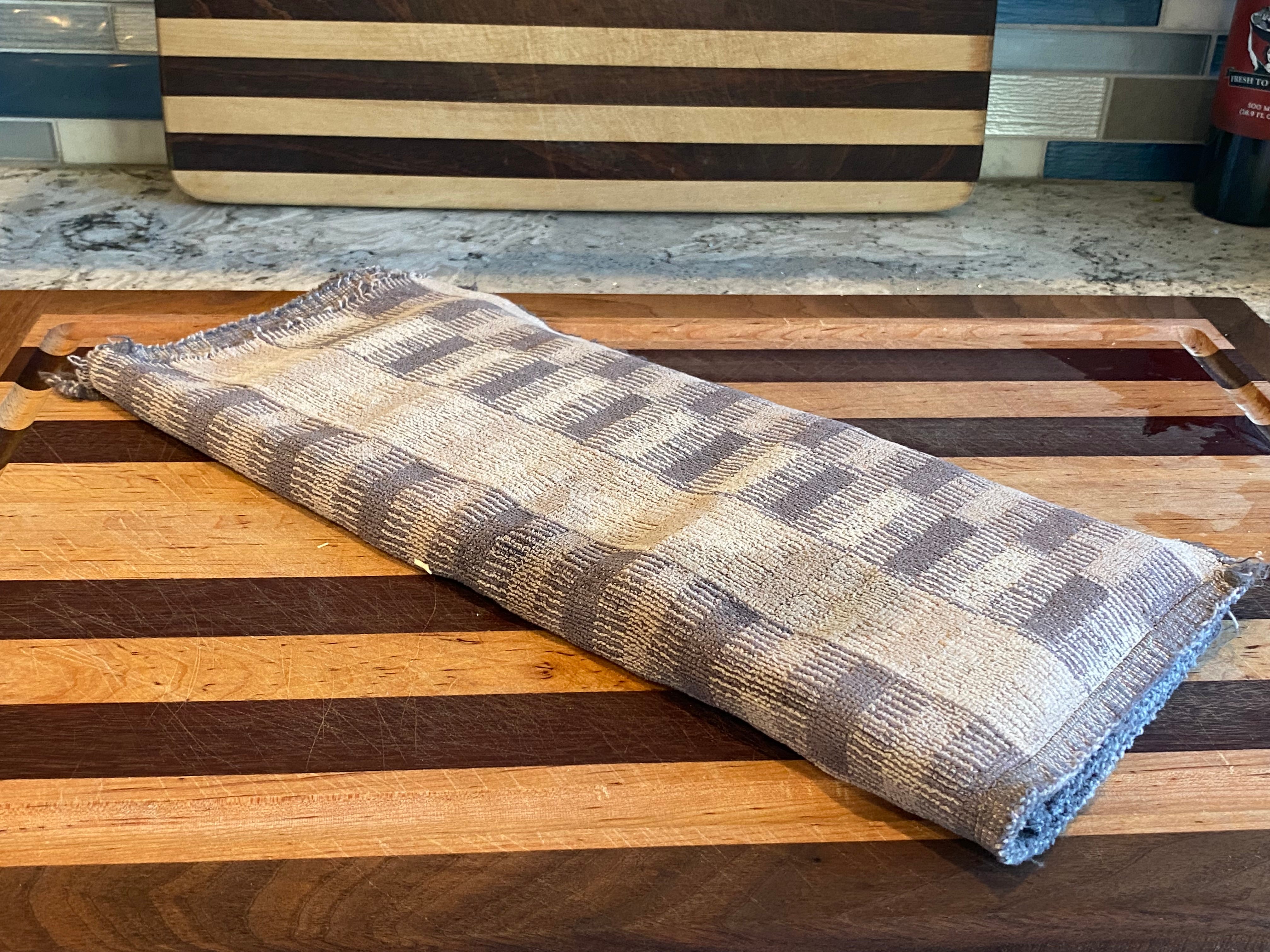
Lay the tofu in a single layer on a kitchen towel:
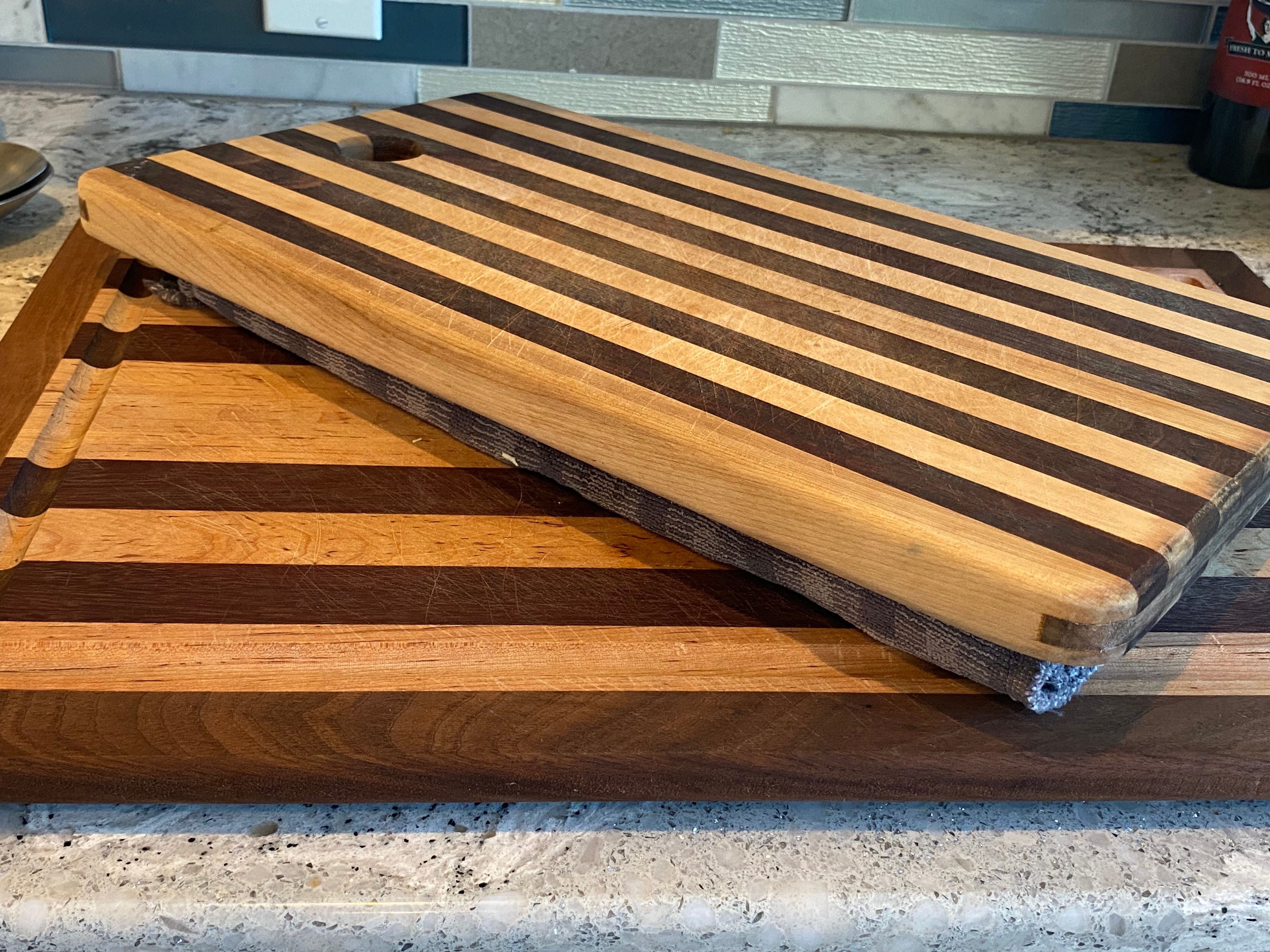
Cover the slices with the remaining portion of the kitchen towel and carefully place a heavy object on top of the bundle for 20-30 minutes to help squeeze out more water.
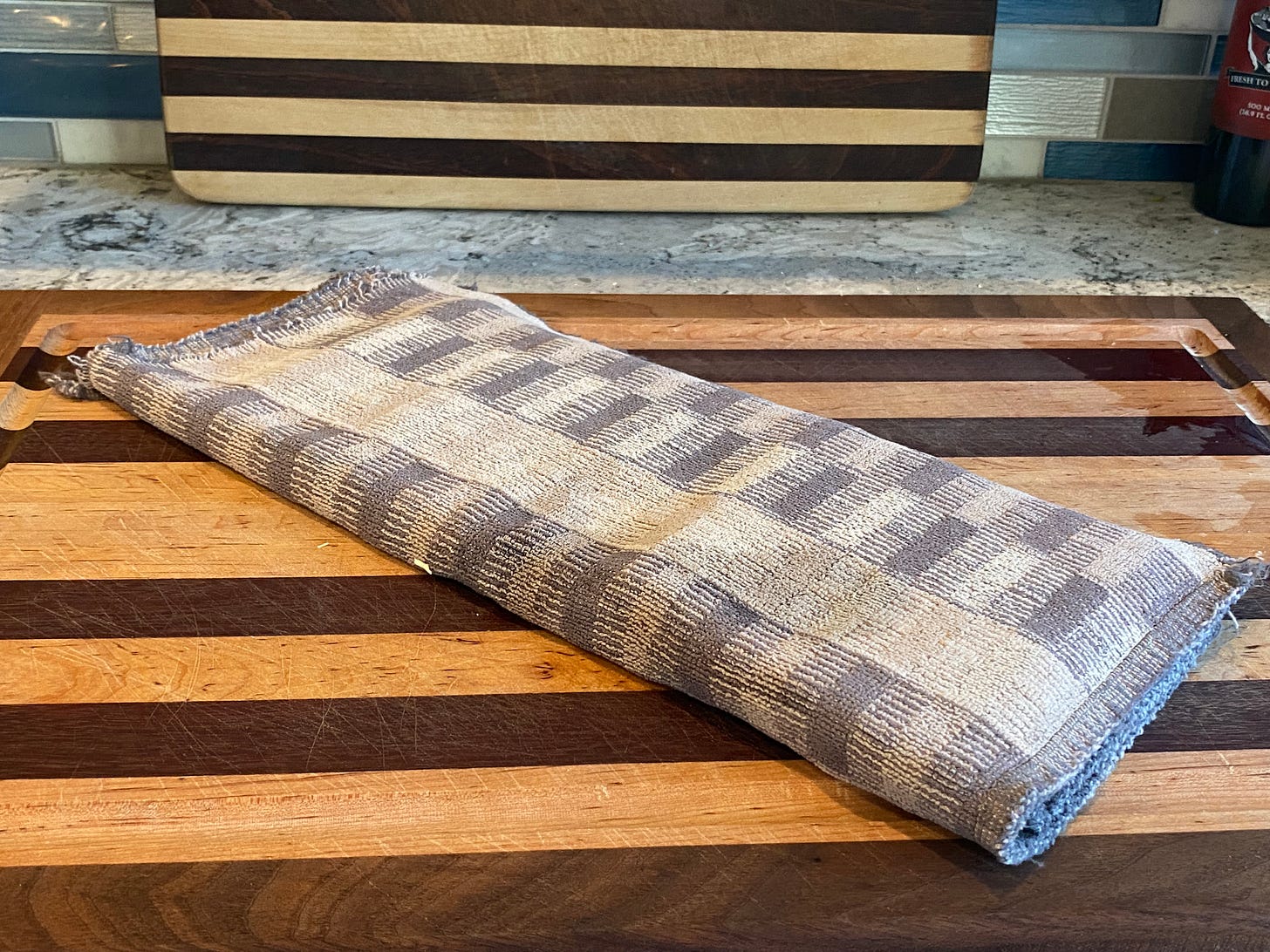
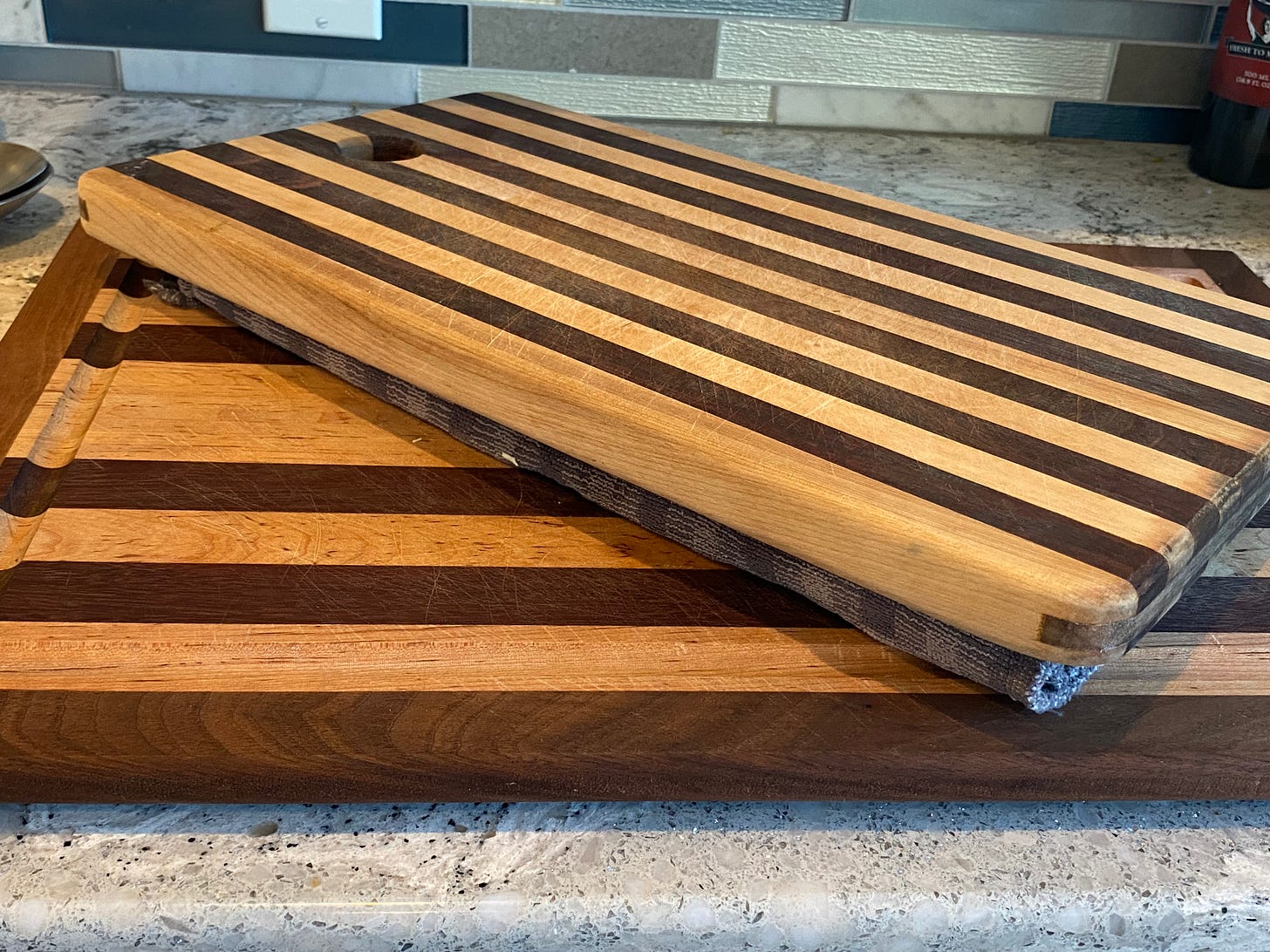
Tofu slices wrapped in a kitchen towel and pressed between two cutting boards. 7. Remove tofu from the towels and proceed with the recipe! Here is a resource to get you started, and stay tuned each Friday in July for a new tofu recipe from me!
Thanks for being here,
~Allison
Whole soy foods (edamame, tofu, & tempeh) provide more of the fiber, isoflavones, and other healthy compounds that are missing in more highly processed soy products (meat and cheese substitutes, for example), which use Textured Soy Protein (TSP).
Question, I have had breast cancer that was estrogen receptive and was told tofu increases estrogen so should not eat it, is this true?
I used to enjoy eating tofu years ago but then all the talk about how it could contribute to breast cancer turned me away. Thank you for clarifying it’s a safe food!!